
Capacity Building Is Not a Workshop
A few years ago, I was working with an organization that was in the middle of a significant change effort. Like many organizations navigating change, the conversation naturally began with training. What workshops should we offer? What professional development could help staff prepare for new expectations?
Workshops are often the first tool organizations reach for when they want to build capacity. And to be clear — they can be incredibly valuable. But during the institutional capacity assessment phase of the project, something important began to surface in conversations with staff.
Many shared that they had already attended numerous workshops over the years. There had been trainings, meetings, and initiatives focused on improving systems and strengthening the organization. Yet despite all of those efforts, many of the same challenges remained.
What staff described wasn’t a lack of knowledge. It was something deeper.
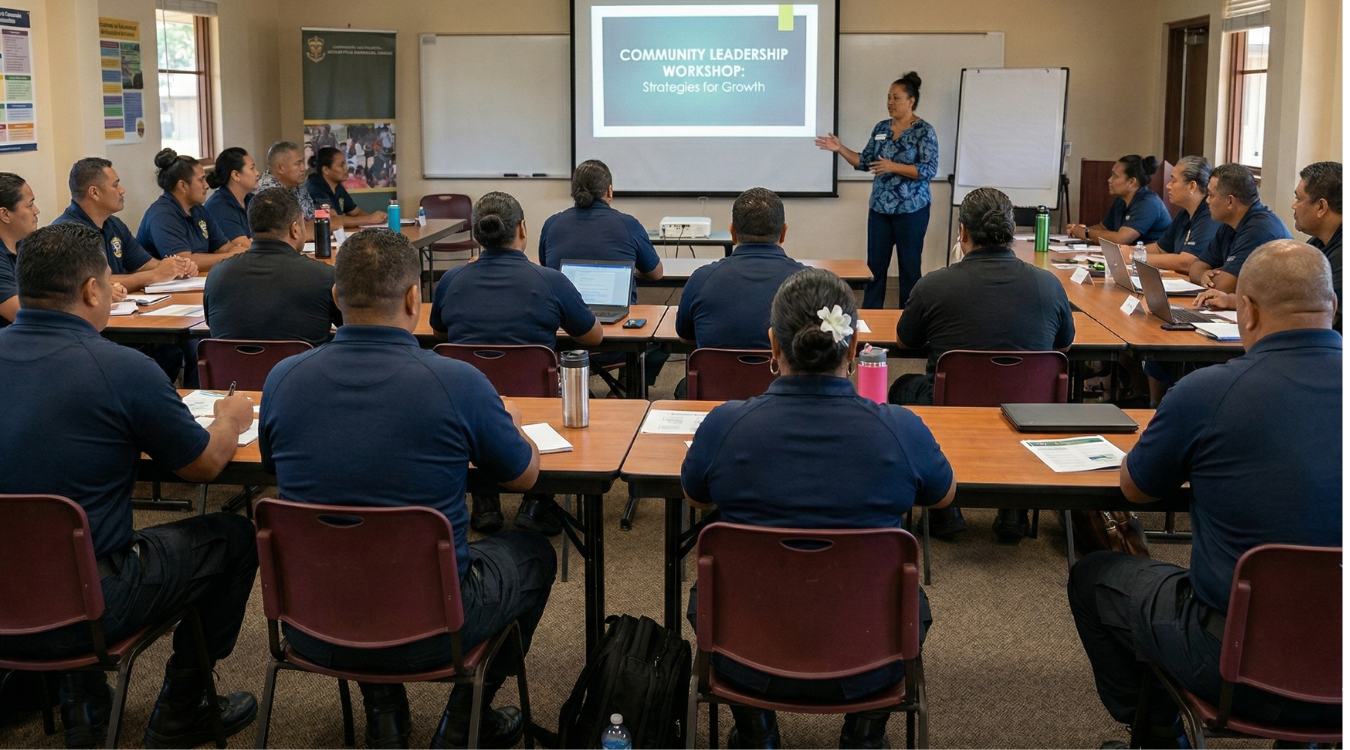
Without consistent follow-through from leadership, alignment with policy, and systems that supported the changes being discussed in those workshops, it was difficult for new ideas to take root. That realization shifted how we approached the change management strategy. Workshops were still important — but they were no longer the center of the solution. Instead, we focused on something more foundational.
First, leadership needed to model the change they hoped to see. When leaders demonstrate new ways of working — through their decisions, their communication, and their expectations — it signals that the change is real. But leadership alone is not enough.
Another key part of the strategy involved identifying internal champions within the organization. These are not always the people with formal titles. Often, they are the colleagues others naturally turn to for guidance — the ones who understand the daily realities of the work and who help their peers navigate new approaches. In many organizations, these trusted voices carry tremendous influence.
When change is supported both by leadership and by respected colleagues across the organization, it becomes far more sustainable. This is something we see often in organizations across Hawaiʻi and the Pacific. Capacity building is most effective when it is supported by leadership alignment, clear policy direction, and people inside the organization who help carry the change forward. Workshops can introduce ideas. But culture shifts when leaders model change and when trusted voices inside the organization help others move forward together.
Capacity building, in other words, is not an event. Capacity building is a commitment. And when organizations invest in that commitment, real transformation becomes possible.